
Uncategorized

How to Prepare Your Pool for a Barrier Inspection

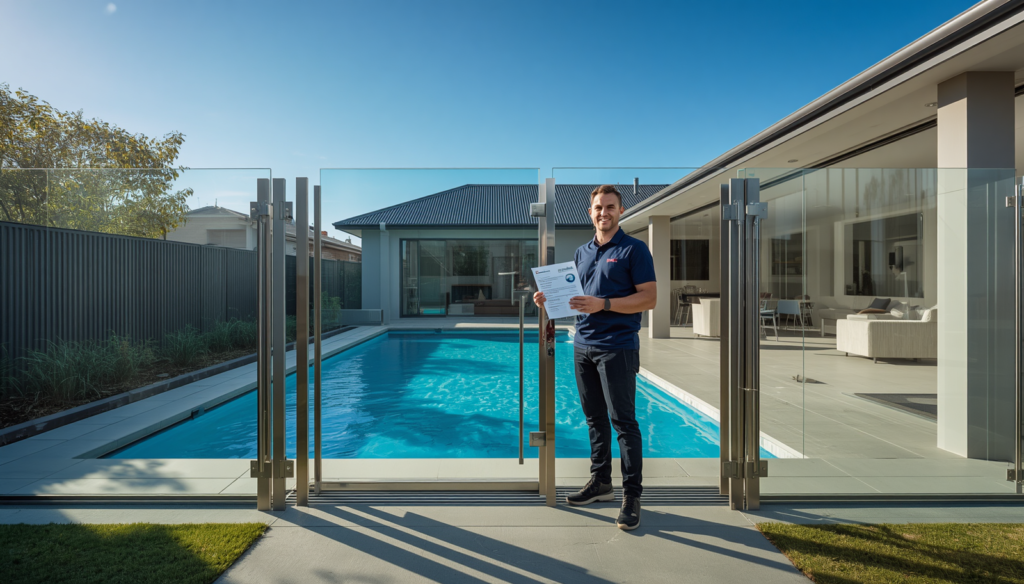
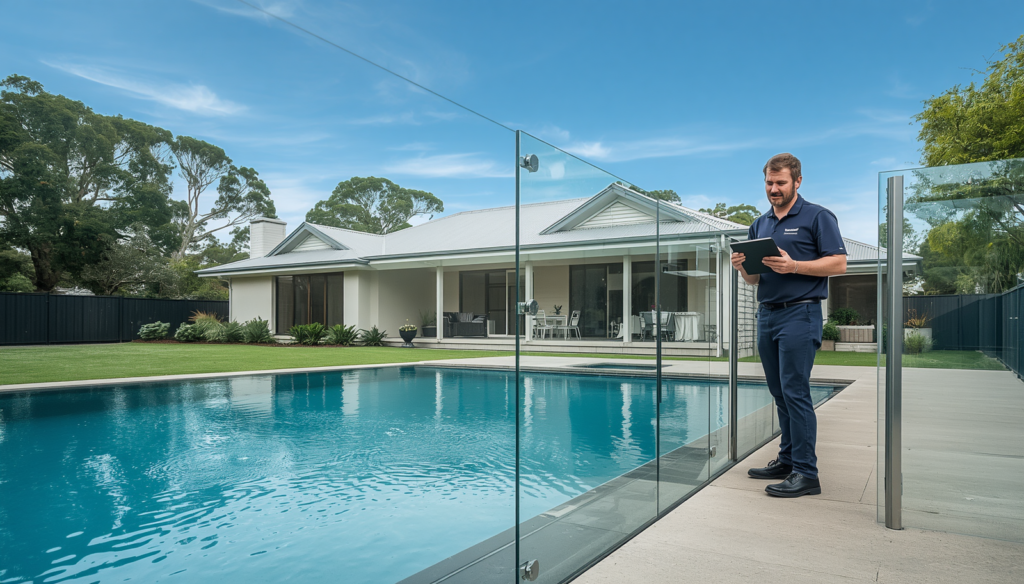
Preparing your pool barrier before an inspection doesn’t have to be complicated. It all starts with knowing the date of construction for your pool / spa as that aligns to a particular Australian Standards and the relevant compliance requirements. In fact, a few simple checks around your pool area can help identify common issues before inspection day and make the process much smoother. While only a registered Pool Barrier Inspector can determine whether your barrier complies with Victorian requirements, taking a little time to inspect your pool area beforehand can give you greater confidence and help avoid unnecessary delays. This guide covers a practical Pool Barrier Inspection Checklist that every Victorian pool owner should review before booking an inspection. Why Preparation Matters Pool barriers naturally experience wear over time. Gate hinges can loosen, latches may stop working correctly, plants continue to grow, and everyday outdoor furniture can accidentally create climbable access. A quick inspection around your pool area can often identify these simple issues before your official inspection takes place. Pool Barrier Inspection Checklist Check That the Gate Self-Closes Properly Gates should be self-closing and self-latching and be able to close from any point in the full arc of the swing. Open the gate to different positions and allow it to close on its own. It should close smoothly without assistance and latch securely every time. If the gate sticks, swings slowly or fails to latch, it may require adjustment before your inspection. Make Sure the Gate Self-Latches The latch should engage automatically every time the gate closes. Test it several times from different opening positions (rest, halfway and fully open) to make sure it operates consistently. A gate that doesn’t latch correctly is one of the most common compliance issues. Remove Climbable Objects Near the Fence Walk around the entire pool barrier and look for anything that could help a child (under 5 years of age) climb over the fence. Examples include: Outdoor chairs Tables Pot plants BBQs Storage boxes Children’s toys Garden decorations Fence rails on boundary fences abutting the pool / spa barrier Keeping such items away (fence rails can easily be covered with angled timber wedges) from the barrier reduces the risk and an important part of maintaining compliance. Inspect the Glass Panels or Pool Fence Check the entire barrier for signs of damage. Look for: Loose panels Cracked glass Damaged fencing Loose posts Corrosion or worn hardware Any damaged components should be repaired before your inspection.     Trees and Plants Overgrown vegetation can interfere with gates or create climbable access near the barrier. Maintaining clear space around the barrier makes inspection easier and improves safety. An important note. We will provide guidance and advice on what if any tree branches, large shrubs, vines or dense hedges is required to be trimmed back. This issue has created significant debate and angst with pool owners over the past four years. The following information has now been published in the latest Australian Standards for pool safety and can greatly assist and guide Pool Inspectors and owners as to accessing what foliage / trees / vegetation is or isn’t climbable. Until now Australian Standards provide such guidance and it was very unclear. Over the last four years many pool owners failed their initial pool / spa safety barrier inspection without valid justification or decision making over what was or wasn’t climbable foliage / trees / vegetation.   Plants within the Non-Climb Zones Plants located within an NCZ shall not facilitate access to the pool area or contain any handholds or footholds that facilitate climbing Example: Plants that do not provide access to the pool area can include (a) small shrubs, succulents and decorative grasses; (b) foliage that is dense, rough, thorned, spiked or irritating; (c) tree, palm and fern trunks and branches with rough, thorny or smooth components; (d) plants that are fragile and unable to support a young child; and (e) plants where foliage conceals thick branches that could support a young child, provided the branches are impractical for a young child to reach or use to climb the barrier. Check Barrier Clearances Walk around the outside of the barrier and look any gap greater than 100mm under the bottom or between vertical elements of the barrier or gate. Ground levels can change over time, and landscaping work may affect required clearances being a maximum of 100mm. Ensure Easy Access for the Inspector Before your appointment: Unlock all gates. Remove obstacles around the pool. Secure pets. Make sure the entire barrier can be safely accessed. This helps the inspection proceed efficiently. Common Things Homeowners Often Miss Many pool owners are surprised to discover that seemingly minor issues can affect compliance. Some of the most overlooked items include: Pots placed beside the fence or barrier Gates that almost latch—but don’t quite engage Trees growing close to the barrier Loose gate hinges or uncapped hinges if less than 900 mm apart Rusted gate hardware stopping the gate from closing Temporary outdoor furniture left beside the fence These issues are often straightforward to address once identified. Do You Need to Fix Everything Before Booking? Not necessarily. If you’re unsure about any part of your barrier, it’s often better to speak with us and we can provide advice and guidance on what to address before the inspection rather than guessing. A registered Pool Barrier Inspector will assess the barrier, explain the findings clearly and provide practical guidance if any rectification work is required. Once complete a Form 23 Certificate of Barrier Compliance  will be issued.   Final Thoughts Preparing your pool before an inspection doesn’t require specialist knowledge—just a careful walk around your pool area and attention to a few key safety features. Checking your gate, latch, fencing, boundary fence, foliage and surrounding area can help reduce the likelihood of common compliance issues and make your inspection process stress free. Most importantly, maintaining a compliant pool barrier is a requirement of a landowner under Part 9A of the Building Regulations 2018. It helps create

How to Prepare Your Pool for a Barrier Inspection Read More »
What Happens If Your Pool Barrier Doesn’t Pass Inspection?

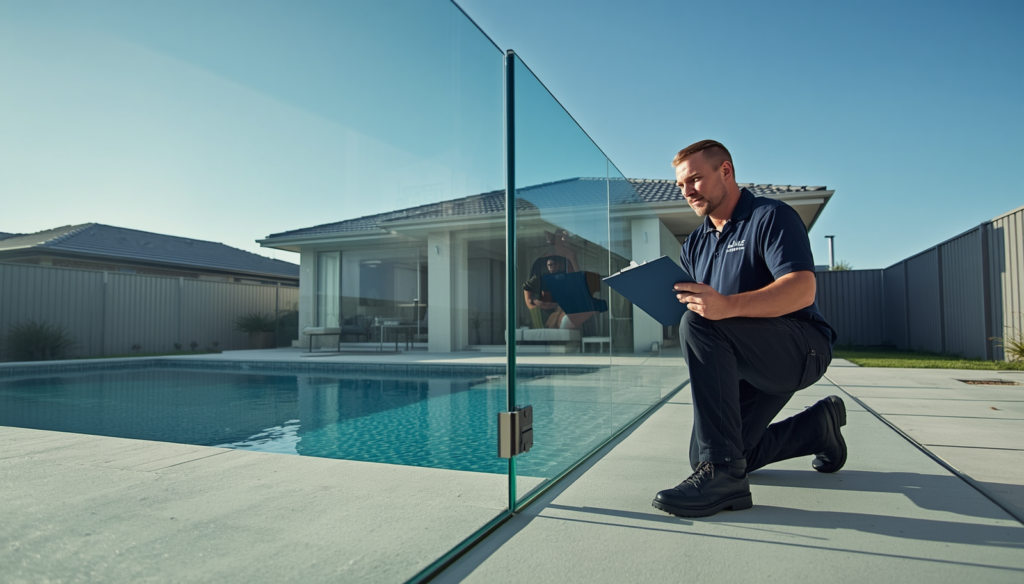
If you’ve recently had your pool barrier inspected and it didn’t meet the required standard, you’re not alone. Many Victorian pool owners are surprised to learn that small maintenance issues or overlooked safety hazards can result in a non-compliant inspection outcome. The good news is that a failed pool barrier inspection doesn’t necessarily mean major repairs or expensive renovations. In most cases, you’ll receive a clear report explaining exactly what needs to be addressed before your barrier can be certified. This guide explains what happens next and how you can move through the compliance process with confidence. Why Do Pool Barriers Fail an Inspection? Pool barriers are assessed against the applicable Australian Standard and Pat 9a Division 2 of the Building Regulations 2018 depending on the date of construction of your pool / spa. Even if your barrier was compliant when it was first installed, or the last time it was inspection under the new building regulations four yearly inspection cycle, normal wear and tear, landscaping changes or ageing hardware can affect compliance over time. The purpose of the inspection isn’t to catch people out—it’s to ensure your pool barrier continues to provide an effective level of safety for children under 5 and meets the legislative requirements Building Regulations 2018. What Happens After a Failed Inspection? If your pool barrier doesn’t comply, your inspector will provide you with a detailed inspection report. Rather than simply advising that the barrier has failed, the report explains: Which items are non-compliant Why they don’t meet the required standard What needs to be rectified before certification can be issued This allows you to clearly understand the work required before arranging the next inspection, which will need to occur within 60 days. Common Reasons Pool Barriers Fail While every property is different, pool inspectors commonly identify issues such as: Gates & Doors that don’t self-close or self-latch correctly Climbable objects positioned too close to the barrier Exposed fence rails abutting a barrier that at not 900 mm apart Gaps that exceed the permitted 100mm limits Damaged or loose fencing components Many of these issues can be corrected without replacing the entire fence. Do You Need to Replace Your Entire Pool Fence? Not usually. A failed inspection doesn’t automatically mean you need a brand-new pool barrier. In many cases, compliance can be achieved by carrying out relatively straightforward minor maintenance / repairs or replacing individual fencing components. The inspection report will outline exactly what needs attention, helping you avoid unnecessary work. Making the Required Rectifications Once you’ve reviewed your inspection report, you can arrange for the recommended rectification work to be completed. Depending on the issue, this may involve: Adjusting gate hinges Replacing faulty latches Removing climbable objects Repairing damaged fencing Correcting barrier clearances Completing these items before your next inspection helps streamline the certification process. What Happens Next? After the required work has been completed, your pool barrier is inspected again. If the barrier now complies with the applicable Australian Standard, your inspector can issue a Form 23 – Certificate of Barrier Compliance, which can then be lodged with your local council as required. The process is designed to ensure your barrier meets the necessary safety requirements before certification is provided. How Can You Improve Your Chances of Passing? A few simple checks before your inspection can help reduce the likelihood of compliance issues. Take a few minutes to make sure: The gate closes and latches automatically. Nothing can be used to climb over the barrier. The fence is stable and free from damage. Plants aren’t interfering with gates or fencing. The area around the barrier is well maintained. These simple maintenance checks can often prevent avoidable issues. Why Working With an Experienced Inspector Makes a Difference A good inspection isn’t just about identifying problems. An experienced registered Pool Barrier Inspector will explain the inspection outcome clearly, answer your questions and provide practical guidance on the most appropriate way to achieve compliance. The aim is to make the process straightforward so you know exactly what to do next. Final Thoughts A failed pool barrier inspection isn’t the end of the process—it’s simply an opportunity to identify and correct any safety issues before your barrier is certified. With a clear inspection report, practical rectifications and a follow-up inspection, most pool owners can achieve compliance without unnecessary stress. Keeping your pool barrier compliant helps protect your family, visitors and anyone using your pool while ensuring you continue to meet your obligations under Victorian regulations. Need Help With a Pool Barrier Inspection? Whether you’re booking your first inspection or arranging a follow-up after completing rectification work, we’re here to help. Our service includes: Fixed $250 inspection fee No re-inspection fees Detailed inspection report Practical compliance guidance Form 23 Certificate issued once your barrier is compliant Book your inspection today and let us help you achieve compliance with confidence.

What Happens If Your Pool Barrier Doesn’t Pass Inspection? Read More »

What Is a Form 23 Certificate and Why Do You Need One?

If you’ve received a reminder from your local council about your swimming pool or spa, you’ve probably come across the term Form 23 Certificate. For many Victorian pool owners, it’s one of the most confusing parts of the compliance process. What is it? Who issues it? Do you need one? And what happens if you don’t submit it? This guide explains everything you need to know about the Form 23 Certificate in Victoria in clear, straightforward language. What Is a Form 23 Certificate? A Form 23 Certificate, officially known as the Certificate of Barrier Compliance, is a document issued by a registered Building Inspector – Pool Safety after your swimming pool or spa barrier has been inspected and found to comply with the applicable Australian Standard. Once issued, this certificate confirms that your safety barrier meets the required compliance standard at the time of inspection. Your obligation is to provide it to council within 30 days of it being issued to you. Why Is a Form 23 Certificate Required? The Victorian Government introduced mandatory pool and spa barrier inspections to improve safety and reduce the risk of accidental drownings. If you own a property with a swimming pool or spa, you’re responsible for ensuring the safety barrier remains compliant and for lodging a valid Certificate of Barrier Compliance with your local council every four years. The certificate demonstrates that your barrier has been professionally inspected and meets the current legislative requirements. Who Can Issue a Form 23 Certificate? A Form 23 Certificate can only be issued by a registered Building Inspector – Pool Safety, Building Inspector or Surveyor who are authorised to inspect pool and spa safety barriers in Victoria. Working with a registered inspector ensures your inspection is carried out in accordance with the applicable Australian Standard. You can check the current registration status of a building practitioner here  Practitioner Search When Do You Receive the Certificate? You’ll receive your Form 23 Certificate after your pool barrier has successfully passed the inspection. If your barrier already complies during the initial inspection, the certificate can be issued on that day once the inspection has been completed his paperwork. What If Your Pool Barrier Doesn’t Pass? It’s common for inspections to identify maintenance or compliance issues. This doesn’t necessarily mean major repairs are required. You’ll receive a detailed inspection report outlining the items that need attention. You will then be provided up to 60 days to rectify those issues. Once the required rectification work has been completed the barrier can be re inspected. When it meets the applicable standard, your Form 23 Certificate will be issued. Do You Need to Submit the Certificate? Yes. Part 9A Building Regulations 2018 stipulates that a Form 23 is to be issued to the landowner as soon as practical after the inspection on re inspection and the landowner must submit it to council. All councils have their own online process for landowners to upload the Form 23. The Certificate of Barrier Compliance must be lodged with the relevant local council within 30 days of it being issued to the landowner, which is the required timeframe to complete your legal obligations as a pool or spa owner. In some circumstances council will accept submission on behalf of the landowner. If you’re unsure of your due date for the Form 23, it’s always a good idea to check directly with your local council. How Long Is the Certificate Valid? Pool and spa barriers in Victoria must be inspected every four years. It is valid for four years from the date of issue by the Pool Inspector. How Can You Prepare Before Your Inspection? Before your appointment, it’s worth checking a few common items around your barrier. Ensure gates self-close and self-latch correctly Remove climbable objects positioned near the fence Check that fencing and gates are in good condition Clear vegetation that may interfere with the barrier or closing of gates Make sure access around the pool barrier is unobstructed These simple checks can help make the inspection process smoother Why Choosing the Right Inspector Matters A pool barrier inspection isn’t simply about ticking boxes. An experienced registered inspector will explain the inspection findings clearly, identify any compliance issues, answer your questions and provide practical guidance throughout the process. The goal is to help you understand exactly what’s required to be inspected and accessed under the relevant Australian Standard so you can confidently achieve compliance. Final Thoughts Obtaining a Form 23 Certificate of Barrier Compliance is an important part of owning a swimming pool or spa in Victoria. A Form 23 is a prescribed Victorian certificate confirming that a registered practitioner has inspected a pool or spa safety barrier and determined that it complies with the applicable barrier standard. It is a point-in-time assessment—the Building Regulations of 2018 Part A stipulates the owner remains responsible for keeping the gate, fence and entire barrier compliant and operating effectively between four yearly inspections. Understanding how the certificate fits into the inspection process can make meeting your legal obligations far more straightforward and help ensure your pool area remains safe. Many landowners had a negative experience in the first four years of these new Building Regulations 2018 being implemented. They experienced ‘over officious Inspectors, unnecessary removal of foliage / tree / shrubs that may not have been ‘climbable’ and during the inspection proves the relevant  Australian Standard or Part 9 A Division 2 of the Building Regulations was not accessed correctly due to limited experience or technical knowledge of the Inspector. Need a Pool Barrier Inspection? If it’s time for your next inspection or you’re preparing to lodge your Certificate of Barrier Compliance, we’re here to help. Our inspections include: Fixed $250 inspection fee No re-inspection fees Detailed inspection report Practical compliance guidance Form 23 Certificate issued once compliant Book your inspection today and let us help make the compliance process straightforward from start to finish.

What Is a Form 23 Certificate and Why Do You Need One? Read More »

How Often Does a Pool Barrier Need to Be Inspected in Victoria?

If you own a swimming pool or spa in Victoria, keeping your barrier compliant isn’t just about meeting legal requirements, it’s about protecting the people who use it every day. One of the most common questions pool owners ask is: “How often does my pool barrier need to be inspected?” The short answer is every four years. However, there’s more to the process than simply booking an inspection, and understanding what’s required can help you avoid unnecessary stress and last-minute surprises. Why Are Regular Pool Barrier Inspections Required? Victoria introduced mandatory pool and spa barrier inspections to improve safety and reduce the risk of accidental drownings. Over time, gates can stop self-closing correctly, latches may wear, fences can shift, and landscaping can unintentionally create climbable access. Even a barrier that was compliant a few years ago may no longer meet the required standard today. That’s why regular inspections are required—to ensure your barrier continues to provide effective protection. How Often Do You Need an Inspection? For most residential pools and spas in Victoria, a pool barrier inspection is required every four years. After your inspection has been completed and your barrier complies with the applicable Australian Standard, you’ll receive a Form 23 – Certificate of Barrier Compliance. This certificate must then be lodged with your local council by the required due date. What Happens During the Inspection? A registered Pool Barrier Inspector will assess your safety barrier against the applicable Australian Standard. The inspection typically includes checking: Gates self-close and self-latch correctly Fence height and required clearances Gaps beneath and between barrier components Climbable objects located near the barrier General condition of fencing, gates and hardware Once the inspection is complete, you’ll receive a written report outlining the outcome. What If My Pool Barrier Doesn’t Meet the Standard? If your barrier doesn’t comply, there’s no need to panic. You’ll receive a detailed report explaining exactly what needs attention. In many cases, the required rectifications are straightforward and can be completed without major work. After the issues have been addressed, the barrier is inspected again. Once it meets the required standard, your Form 23 Certificate can be issued. When Should You Book Your Inspection? Many pool owners wait until their council deadline is approaching. A better approach is to arrange your inspection well before your due date. This gives you time to complete any required rectification work without unnecessary pressure. Booking early also makes it easier to secure an appointment that suits your schedule. Simple Things You Can Check Before the Inspection While only a registered inspector can determine compliance, it’s worth taking a few minutes to check: Does the gate close by itself from any open position? Does the latch engage properly every time? Are there any pots, furniture or trees that could be used to climb over the fence? Is the barrier free from damage or loose components? Are the required clearances still maintained around the barrier? Addressing small maintenance issues early can make the inspection process much smoother. Why Working With a Registered Inspector Matters A registered Pool Barrier Inspector understands the applicable Australian Standards and Victorian legislative requirements. Rather than simply identifying issues, an experienced inspector will explain the findings clearly, answer your questions and help you understand what needs to be done before certification. This makes the compliance process more straightforward and gives you confidence that your barrier has been assessed correctly. Final Thoughts Pool barrier inspections are required every four years in Victoria, but staying compliant shouldn’t feel complicated. By arranging your inspection early, maintaining your barrier throughout the year and working with a registered inspector, you’ll be well prepared when it’s time to lodge your Certificate of Barrier Compliance. Keeping your barrier compliant isn’t only about meeting council requirements—it’s about helping to maintain a safer environment for your family, visitors and anyone using your pool. Ready to Book Your Inspection? If your inspection due date is approaching, now is a good time to arrange your appointment. Our inspections include a detailed report, practical guidance and the issuance of your Form 23 Certificate once your pool barrier meets the required standard.

How Often Does a Pool Barrier Need to Be Inspected in Victoria? Read More »